

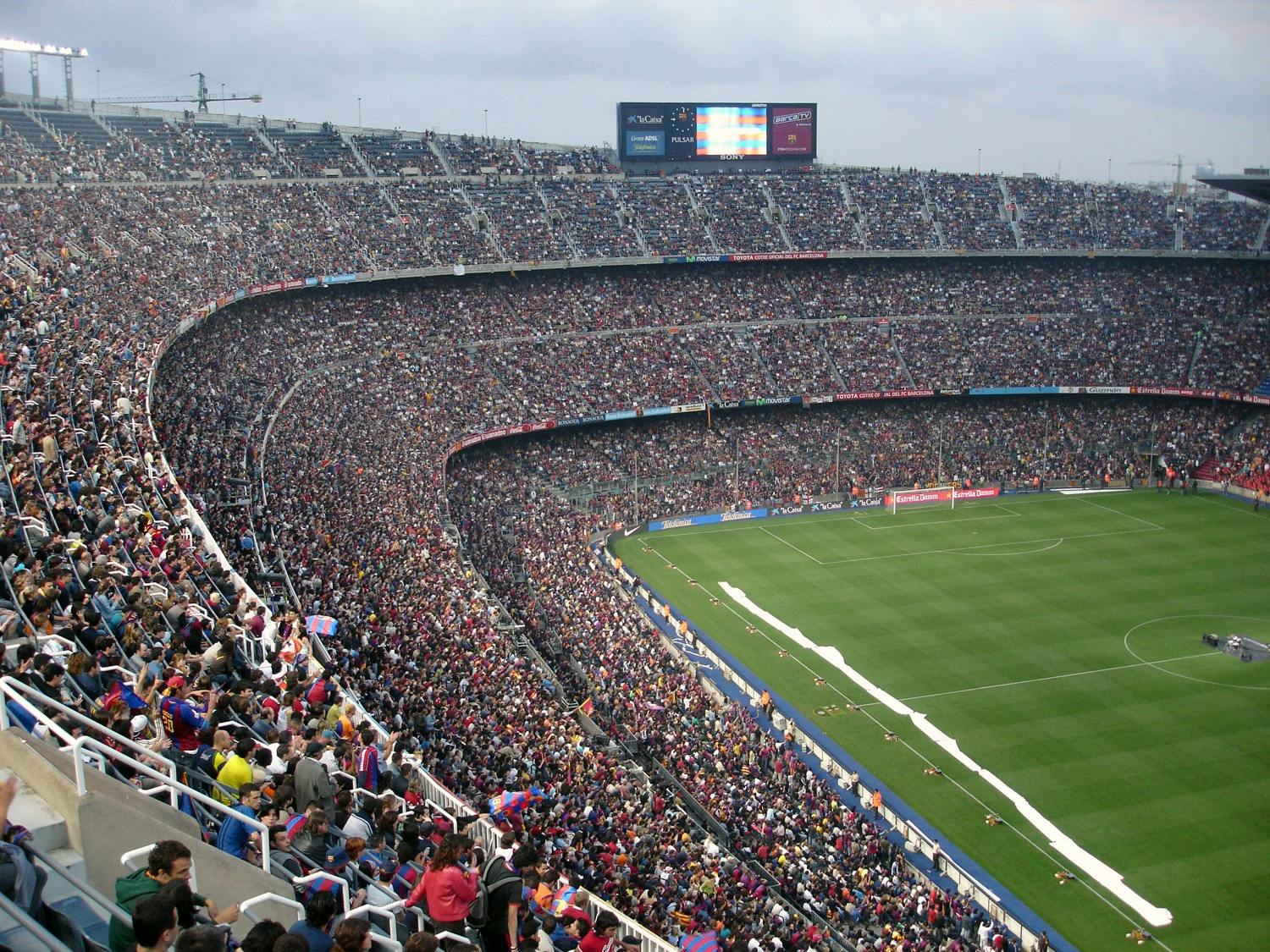

The beautiful game is facing its most difficult logistical challenge yet. As the countdown to the 2026 FIFA World Cup reaches its final months, the sudden escalation in the Middle East has forced a total re-evaluation of the tournament’s safety protocols. V. Puyonij, our Sport Desk Chief, reports that FIFA and the host governments (USA, Canada, Mexico) have today activated the “Ultra-Alert Status” for all 16 host cities. The fear isn’t just about the matches themselves, but the security of the millions of international fans traveling across borders during a period of global military tension.
V. Puyonij observes that the “Smart Stadium” technology we reported on earlier is now being repurposed for military-grade surveillance. Advanced facial recognition and “Behavioral AI” will be used to scan every person entering the fan zones. “The joy of the World Cup is being tempered by the reality of 2026,” Puyonij notes. “We are moving from a celebration of sport to a demonstration of security dominance.” Several participating nations from the Middle East are also facing travel restrictions, leading to concerns that the tournament may lose its “Universal” spirit.
The financial impact of the war is also hitting the players and clubs. With air travel costs skyrocketing due to the oil shock, many international friendlies have been canceled. V. Puyonij highlights that the “Carbon-Neutral” goals of the tournament are now impossible to meet, as host cities pivot their energy resources toward military and essential services. The 2026 World Cup, once envisioned as a symbol of North American unity and progress, is now a logistical nightmare of “Crisis Management.”
Fans are also reacting to the “Digital Contagion.” With the threat of cyberattacks on ticketing and transportation systems, many supporters are choosing to sell their tickets on the secondary market. V. Puyonij reports that viewership for the pre-tournament matches has shifted entirely to “Holographic Fan Zones” (as discussed last week), as fans prefer to stay in their home cities rather than risk international travel. This shift is costing the tourism industries of the host cities billions in lost revenue.
At New One News, we are monitoring the communications between FIFA and the participating teams. V. Puyonij will continue to provide updates on the “Safety Briefings” being given to the players. The 2026 World Cup will happen, but it will be a tournament under guard. Whether the spirit of football can survive the shadow of a global conflict is the question that every fan is asking as the first whistle approaches.