
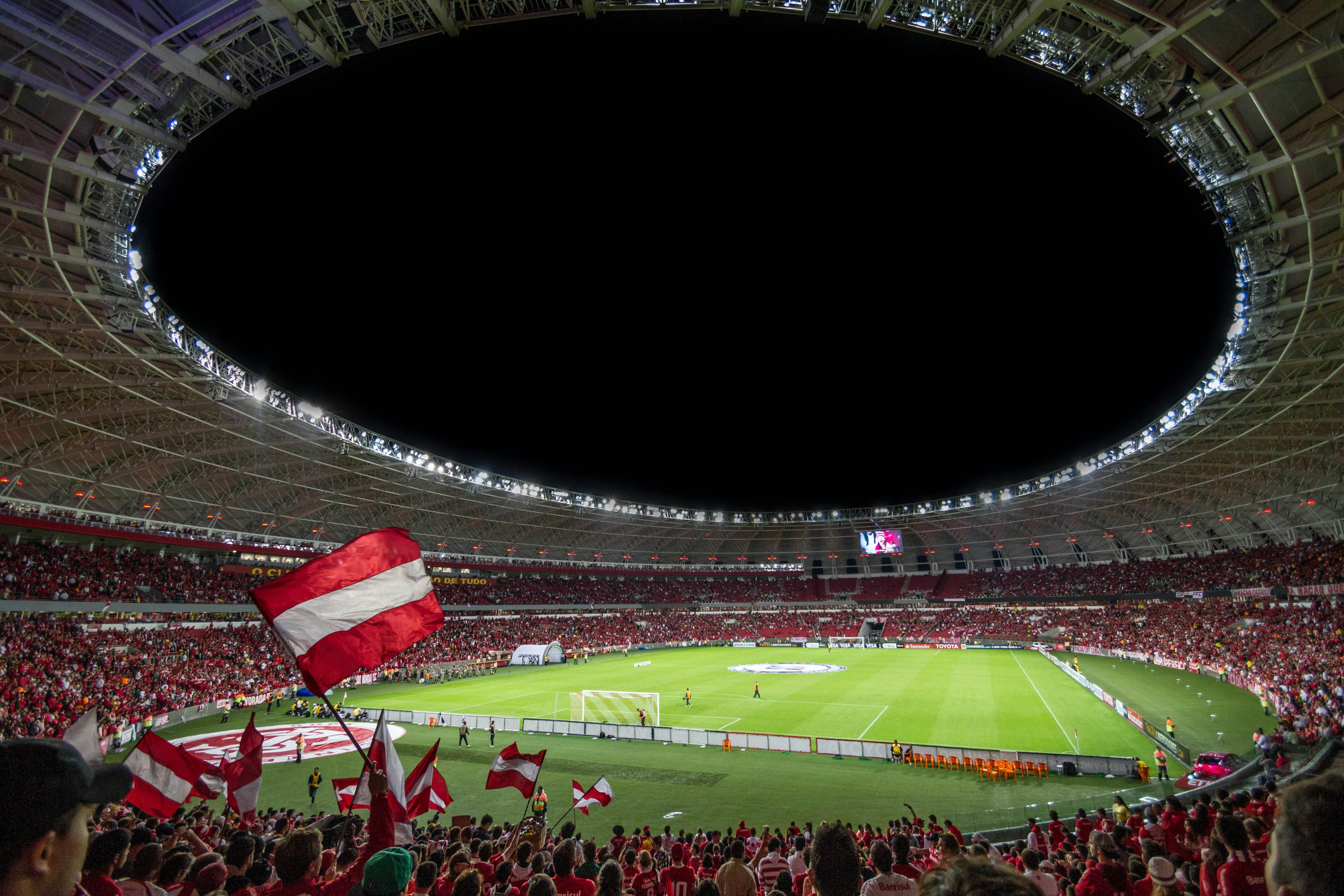

European football is standing at a crossroads. Today at UEFA headquarters in Nyon, officials announced a radical expansion of the Champions League (UCL) for the 2026/27 season, introducing a “Data-Driven Wildcard” system. V. Puyonij, our Sport Desk Chief, reports that this new rule allows two teams to qualify for the tournament based purely on their “Global Performance Index” (GPI) over the last five years, rather than their domestic league position. This move has triggered a civil war between the continent’s traditional elite and the data-driven “New Money” clubs.
Puyonij observes that the GPI is an AI-managed metric that tracks everything from player development and tactical innovation to commercial reach. “UEFA is trying to turn the Champions League into a closed-loop entertainment product,” Puyonij notes. The controversy centers on the fact that a massive club could finish mid-table in their domestic league but still secure a place in the UCL over a smaller, overachieving team. This has reignited the “Super League” debate, with several mid-tier leagues threatening a total boycott of UEFA competitions.
Tactically, the expansion will also introduce the “Live-Data Coaching” protocol. For the first time, coaches will be allowed to receive real-time tactical suggestions from their club’s “Strategy AI” directly to their smart-tablets during the match. V. Puyonij reports that purists are outraged, claiming that the “Human Element” of the game is being sacrificed for algorithmic perfection. “We are moving toward a world where the manager is more of a system administrator than a leader of men,” Puyonij argues in his latest column.
From a fan’s perspective, the expansion means more matches between the world’s biggest stars, but at what cost? Ticket prices for these “Data-Driven” matches are expected to be significantly higher, catering to a global digital audience rather than local match-day fans. V. Puyonij points out that the “Atmosphere Gap” is becoming a real issue for the sport’s longevity. A stadium filled with VIPs and “Holographic Fans” (as we reported earlier) lacks the soul of a traditional European football night.
The financial implications are equally staggering. The new broadcast deal, optimized for 6G and VR platforms, is valued at nearly €15 billion over three years. This wealth, however, is increasingly concentrated at the very top. Puyonij reports that the “Competitive Balance” in national leagues is nearing a breaking point. Smaller clubs are finding it impossible to compete with the financial juggernauts who are “too big to fail” under the new UEFA rules.
At New One News, we will be providing tactical breakdowns and financial reports for every stage of this transition. As V. Puyonij highlights, the 2026 UCL expansion isn’t just about more football; it’s about who owns the future of the world’s most popular sport. Whether the beautiful game can survive its own commercial success remains the primary concern for fans across the globe.