
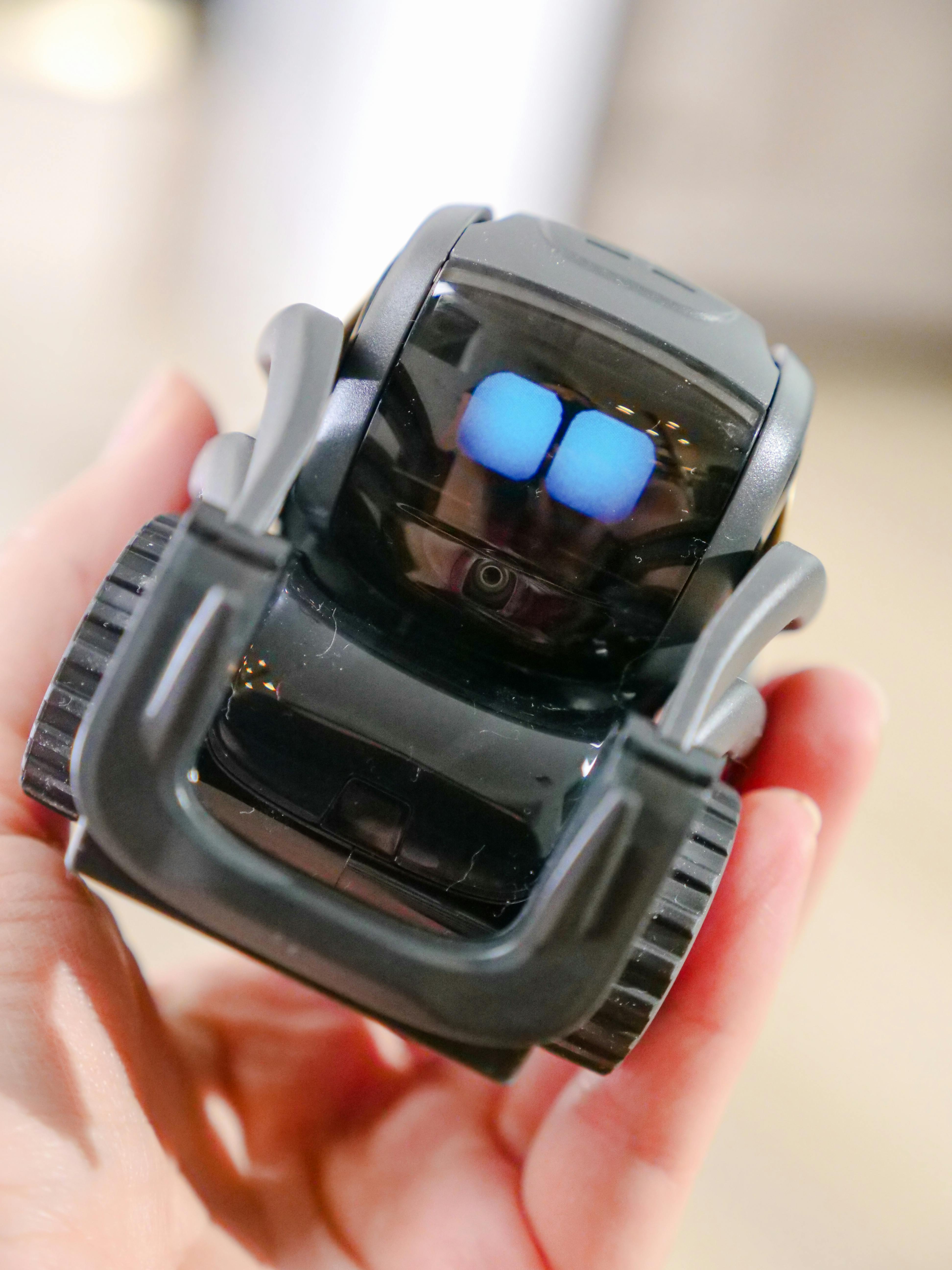

The boundary between human emotion and machine logic has just become dangerously thin. Today, a leading Silicon Valley laboratory unveiled “Project Emo-V3,” the first AI interface capable of not just recognizing, but authentically replicating human micro-expressions and emotional nuances in real-time. Lead tech analyst T. Avuniz attended the unveiling, reporting that the demonstration felt more like a “conversation with a ghost” than a software test.
Project Emo-V3 uses a new “Biometric Feedback Loop” to sense the user’s heart rate, pupil dilation, and skin temperature, allowing the AI to adjust its tone and vocabulary to the user’s emotional state. “This is the ‘Internet of Senses’ becoming deeply personal,” Avuniz notes. “By 2027, the primary way we interact with technology won’t be through typing or even voice commands, but through emotional resonance.” The implications for mental health therapy and customer service are enormous, but so are the risks.
Ethics boards are already raising red flags. If an AI can perfectly mimic empathy, does that make it a tool for healing or a mechanism for “Emotional Hacking”? T. Avuniz points out that the potential for sophisticated manipulation in marketing and political campaigning is unprecedented. Imagine a personalized advertisement that senses your loneliness and adjusts its message to offer companionship alongside a product. The line between assistance and exploitation is blurring at light speed.
The hardware required for Emo-V3 is equally impressive. It utilizes the new solid-state “Nexus Cells” we reported on last week, allowing the AI to process biometric data locally on the device without sending it to the cloud. This “Edge Privacy” approach is meant to reassure users that their emotions aren’t being stored in a central database. However, as T. Avuniz argues, once the emotional profile is generated, the machine’s ability to influence the user remains a significant concern.
At New One News, we are closely following the public reaction to this “Empathic Leap.” As T. Avuniz explores in his upcoming deep-dive, the question is no longer “Can machines think?” but “Can machines make us believe they care?” As the first beta-testers begin using Emo-V3 for home assistance, we are entering a new psychological frontier where our most private feelings are just another data point for the algorithm.