
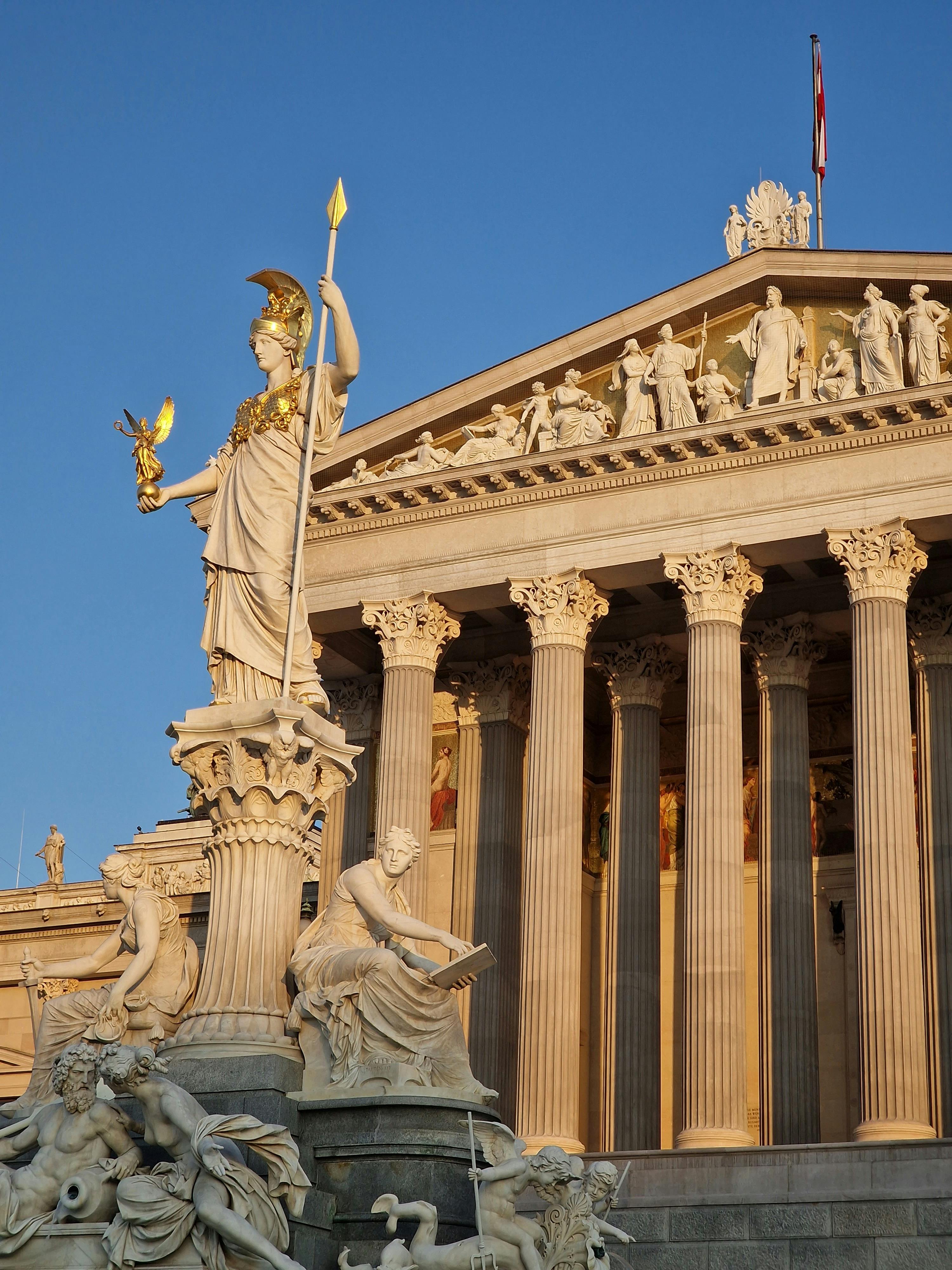

In a decision that will define the digital age for decades to come, the U.S. Supreme Court issued a landmark 6-3 ruling today regarding the copyright eligibility of AI-assisted works. The case, which pitted major tech conglomerates against a coalition of independent artists, sought to determine if neural network outputs can be protected under existing intellectual property laws. The Court’s final opinion states that while an AI cannot be an “author,” a human creator who exercises “substantial creative control” through complex prompting and iterative refinement is entitled to full legal protection.
S. Promise, our Senior Political Correspondent, reports that the atmosphere outside the Supreme Court building was electric as the verdict was read. “This isn’t just about software; it’s about the definition of human labor in the 21st century,” Promise noted during a live briefing. The ruling effectively creates a new legal category for “Synthetic Media,” bridging the gap between traditional craftsmanship and algorithmic generation.
Industry leaders in Silicon Valley have already hailed the decision as a “Green Light” for the next wave of generative innovation. By providing a clear legal framework, the Court has removed a massive cloud of uncertainty that has stalled billions of dollars in venture capital. However, dissenting justices warned that the “substantial control” test remains too vague and could lead to a decade of secondary litigation.
At New One News, we are analyzing the broader implications for the 2026 economy. As law firms across the country scramble to interpret the “Iterative Refinement” clause, the tech sector is expected to see an immediate surge in IPO filings. This ruling doesn’t just settle a lawsuit; it resets the rules of the American creative economy.